The real choice: memory or story
I hesitated at a passing place outside Lochinver, engine idling, phone at 7% and a drizzle turning the windscreen into a soft-focus filter. The view was huge, but the road behind me was filling up, and I could feel that familiar tug: record it properly or just keep moving. Stopping for “one quick clip” here is different than stopping in a car park—on single-track, even 30 seconds has a social cost.
The real choice isn’t “camera on or off,” it’s whether you’re collecting a memory for you or building a story for later-you (or other people). A memory can be messy: one photo, a voice note, a petrol receipt shoved in the door pocket. A story wants continuity—clean angles, repeated shots, timestamps—which quietly steals daylight and attention right when Scotland’s weather is doing its 10-minute mood swings. If you’re solo, the limiter is safety and brain space: when the sheep, cyclists, and oncoming vans show up, your filming plan should lose the argument immediately.
A workable middle path is a tiny daily workflow: record only when the car is fully stopped (lay-by, viewpoint, ferry queue), then capture one “anchor” photo of the scene, one 10–20 second clip for motion/light, and a 15-second spoken note with the place name plus one practical detail (price, parking, midges, campsite vibe). At night, spend five minutes renaming or favoriting the best bits; skip the rest without guilt. If you can’t remember the moment without a clip, take the clip—then drive on.
Scotland’s road-trip audio you’ll miss
At 6:42 a.m. near Ullapool, I hit record on a voice memo while the kettle hissed in the campsite kitchen, then forgot about it until days later. In the playback you can hear the rain on the roof, someone unzipping a tent, and my own half-asleep “midge count: high.” It’s not pretty audio, but it instantly beats a silent photo when you’re trying to remember what the morning actually felt like.
Scotland’s best road-trip sound is usually the stuff you don’t think to capture: the thunk of a ferry ramp, the wind changing pitch as you crest a bealach, pub chatter that tells you whether a place is welcoming or just busy. Video tries to do all of that and often fails—wind crushes it, the file is huge, and you end up babysitting settings. A 20–40 second audio clip works better for solo drivers because it’s lighter, faster, and doesn’t tempt you to “just get one more angle” on a road where angles are a luxury.
Keep it simple: one parked voice note at each meaningful stop with (1) place name, (2) one route detail you’ll forget (single-track? passing places frequent? slow behind tourists?), and (3) one cost or constraint (parking, coffee, campsite hookup, pub meal). If it’s blowing a gale, record from inside the car with the door shut; it’s less authentic, but the trade-off is usable sound you’ll actually replay. Later, when you’re tired and the weather has won, you’ll be glad your “diary” still has a pulse.
Scenery beats: light, weather, scale
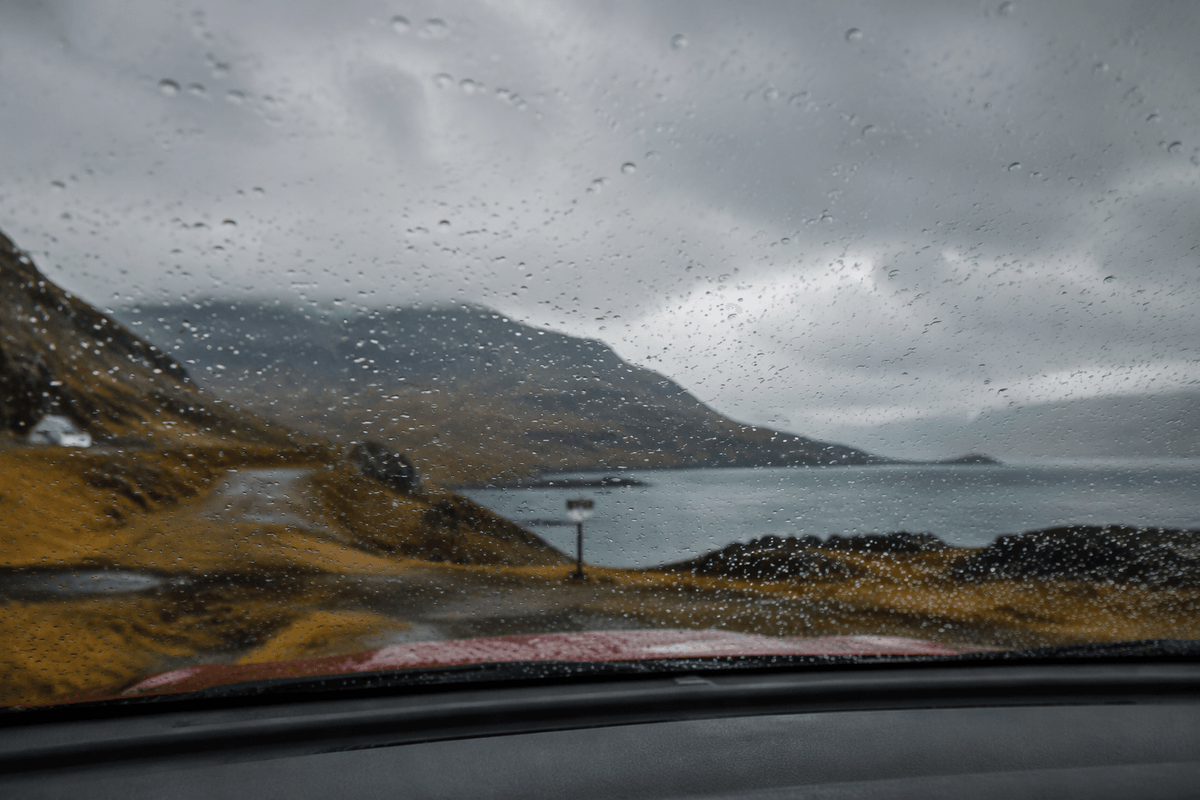
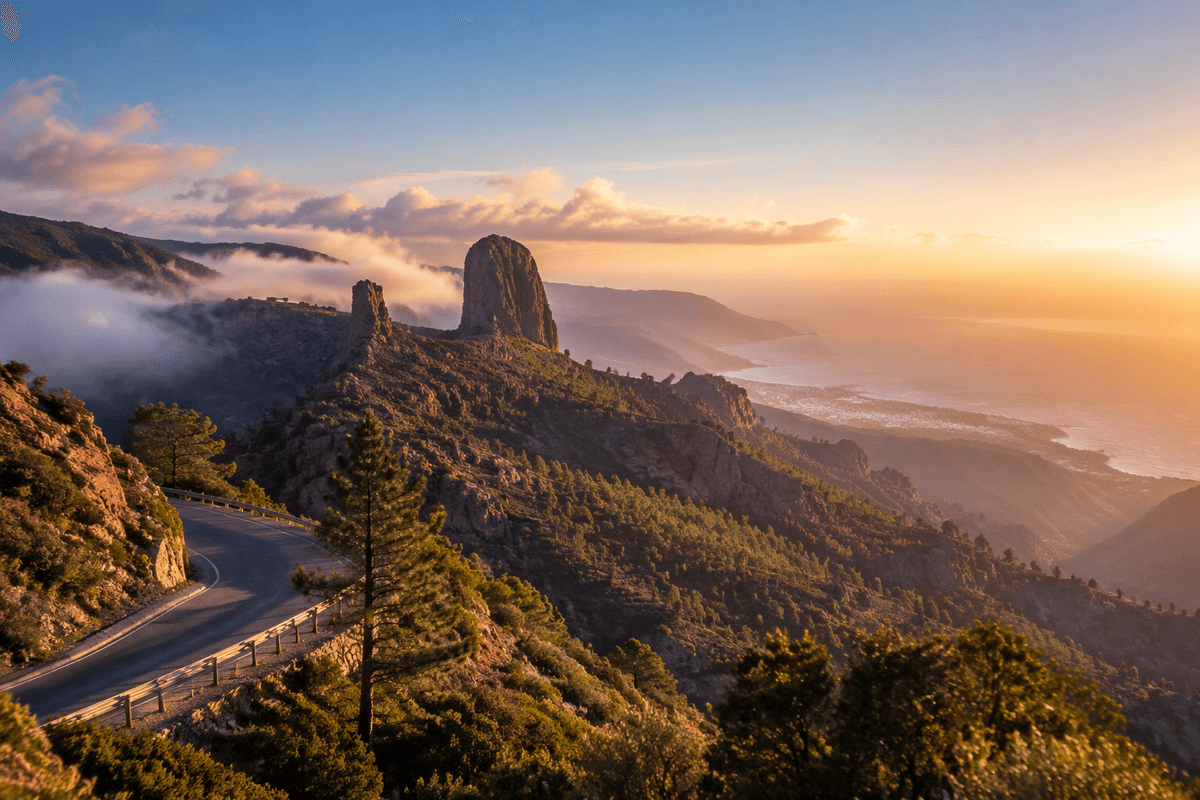
I pulled into a lay-by above Applecross with the map insisting I’d “arrived,” while the actual scene kept changing every thirty seconds. Sun punched through a hole in the cloud, then vanished, then came back as a sideways spotlight on the bay. My phone camera kept hunting exposure like it was confused, and I was, too: wide view or detail, now or wait?
Scotland’s scenery isn’t one thing—it’s light, weather, and scale arguing with each other. The trade-off is time: if you chase the perfect patch of sun, you’ll lose miles and start driving tired; if you never pause, everything blurs into “pretty.” What works for a solo driver is treating weather like a timer. When the light turns cinematic, grab one anchor photo, then a 10–15 second clip that includes movement (clouds, water, grass) so the shift reads later.
Scale is the one your phone lies about. A hillside that feels enormous becomes a flat postcard unless you give it a reference: your car at the edge of frame, a person on a ridge, a passing place sign, even a sheep (if it cooperates). If it’s raining hard, shoot from inside the car with droplets in the foreground; it’s not “clean,” but it’s honest, and it saves you from standing in a gale just to prove you were cold.
People, pubs, and passing conversations
I stood just inside a pub door in Gairloch, dripping off my sleeves, while a handwritten sign said “No food until 6” and the bar line bent around a dog asleep on the mat. I’d planned to jot down “good dinner spot,” but the only thing I could do was choose: hover awkwardly and miss the moment, or pocket the phone and actually talk to the guy recommending a detour I hadn’t even mapped.
Pubs and small conversations don’t record like scenery. Video feels intrusive fast, and it rarely captures what you’re trying to remember anyway—the tone, the ease, the tiny local warnings (“that road floods,” “book the ferry,” “midges at dusk”). The trade-off is detail versus presence: if you’re solo, you can either be the person enjoying the room, or the person assembling content. What tends to work is a post-exit capture: step outside, then record a 20-second voice note with the pub name, what you ate/drank, the rough cost, and one line of “why it was good/bad” while it’s still fresh.
For passing conversations, keep it respectful and practical: don’t record people without asking, and don’t chase perfect quotes. Instead, log the useful bits you’ll actually reuse—opening hours that weren’t online, whether there was a queue, if they take cards, and whether you’d return in bad weather. If you’re tired, do the minimum: a photo of the menu/receipt and one sentence in Notes. The goal isn’t to preserve every chat; it’s to keep enough breadcrumbs that future-you can retrace the good ones.
Driving moments worth filming safely
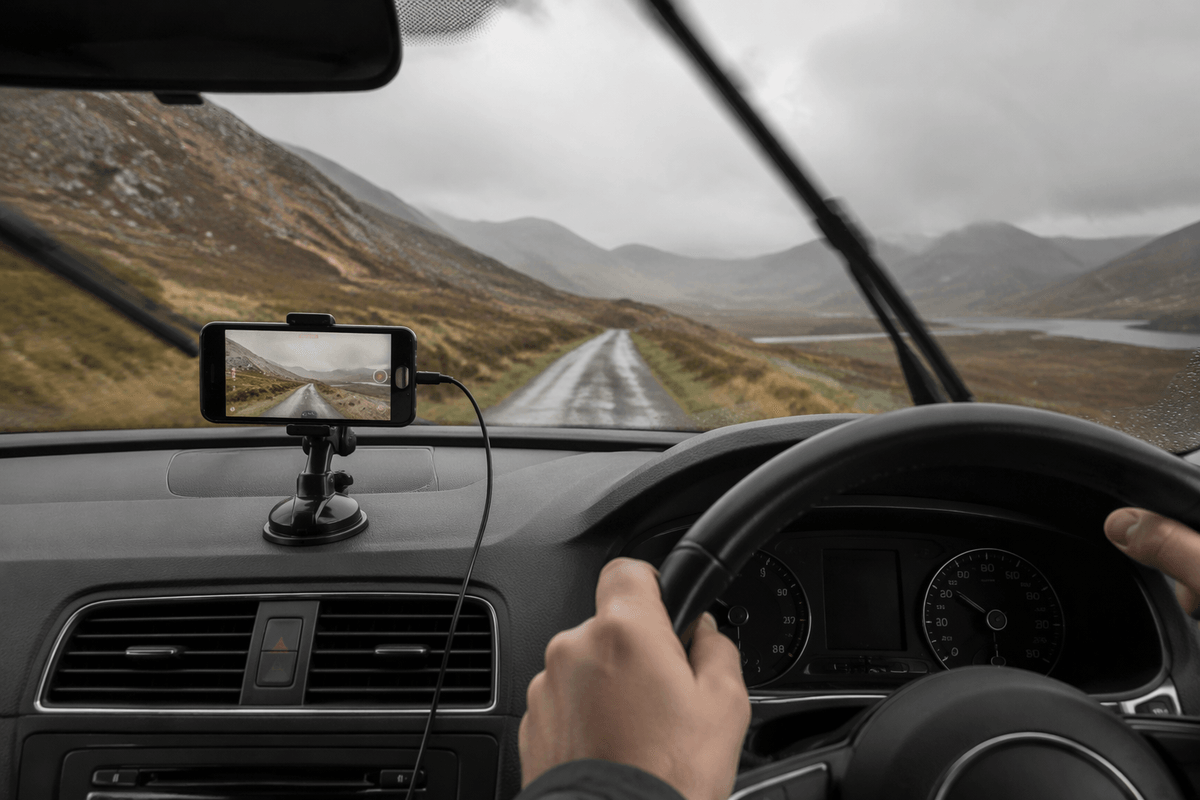
I reached for the phone on the A832 when the road opened into that long, lochside sweep—then a rental camper drifted wide and I felt my stomach tighten. The clip would’ve looked cinematic, sure, but the reality was two hands on the wheel and a fast-changing gap to the oncoming car. That was the moment it clicked: anything “while rolling” has to be either hands-free or not happen.
If you want driving footage as a solo driver, treat it like a fixed system, not a creative decision. A small dashcam or an old phone on a solid mount (already aimed, already charging) works; handheld filming doesn’t. You’ll get less “perfect framing,” but you’ll capture the honest stuff—wipers beating time, the sudden single-track squeeze, the way a bealach crest reveals the next valley. It’s most useful on slower stretches (forest roads, empty moorland) and least worth it in villages, car parks, or anywhere with pedestrians and cyclists.
What’s actually worth recording is the change, not the mileage: the first cattle grid after a quiet section, a passing place dance that shows traffic flow, the moment the weather flips from clear to sideways rain. Keep clips short (10–20 seconds) so you don’t hoard hours of grey tarmac, and only tag them later when you’re stopped—fuel station, ferry queue, lay-by with room to breathe. If a road feels mentally “busy,” that’s your cue to let the camera miss it and let you keep it.
If you only record ten clips
At 9:18 p.m. in a lay-by near Tongue, I watched the phone’s storage warning pop up while my hands still smelled like diesel from the pump. The day had been “just a few quick stops,” yet I’d somehow collected twenty-six shaky clips of the same grey sea. With midges starting to swarm and tomorrow’s forecast looking worse, I needed a harder rule than vibes.
If you only record ten clips on a 7–10 day loop, make them the ones that compress both feeling and logistics. I’d pick: (1) a 15-second campsite/hotel arrival pan (so you remember the vibe and space), (2) a 10-second “where I parked” shot with signage, (3) a 20-second weather clip (wind/rain/low cloud) when it’s defining the day, (4) one moving-light landscape (clouds over water or grass), (5) a scale-reference shot (car/sign/sheep in frame), (6) a 15-second road moment from a mounted camera when it’s genuinely calm, (7) a ferry/bridge/“transition” moment, (8) a pub exterior + 5-second interior atmosphere (only if it’s comfortable), (9) a menu/receipt clip for prices, (10) a 20-second end-of-day voice note: “route, cost, one win, one warning.”
The workflow is the limiter that keeps it sane: record only when fully stopped, then immediately favorite the clip if it’s “top ten” material; if you don’t favorite it on the spot, it probably isn’t. Each night, spend five minutes renaming favorites with place + date, and delete anything you’d be embarrassed to rewatch. When the road gets busy or your brain feels thin, choose the diary over the footage—future-you can’t replay a near-miss.