The real choice isn’t places—it’s pace
I hovered over Google Maps at 11:47 p.m., zooming between Chiang Mai, Koh Tao, and Krabi until the little blue route lines started to look like spaghetti. The distances weren’t the problem; the “easy” connections were. A 90-minute flight kept turning into half a day once you added airport time, ferry schedules, and the fact that you’re not teleporting from gate to beach.
Thailand rewards you more for choosing a rhythm than for chasing a perfect list. Fast travel works if you’re energized by movement and don’t mind living out of a daypack; it falls apart when you’re jet-lagged, it’s pouring, or the one ferry you planned around is full. Three nights in a place feels boring on paper, but it’s often the difference between seeing a temple at 8 a.m. versus shoulder-to-shoulder at noon—and between loving an island and just “arriving” there.
With 10–14 days, the real trade-off is usually north-versus-islands, not “everything-versus-nothing.” Bangkok plus one region is forgiving; Bangkok plus two regions is doable but tight; Bangkok plus north plus two island clusters is where budgets leak into extra flights and last-minute bookings. If you’re unsure, pick the pace that lets you wake up without negotiating transport—then build the places around that.
Pick your Thailand vibe first
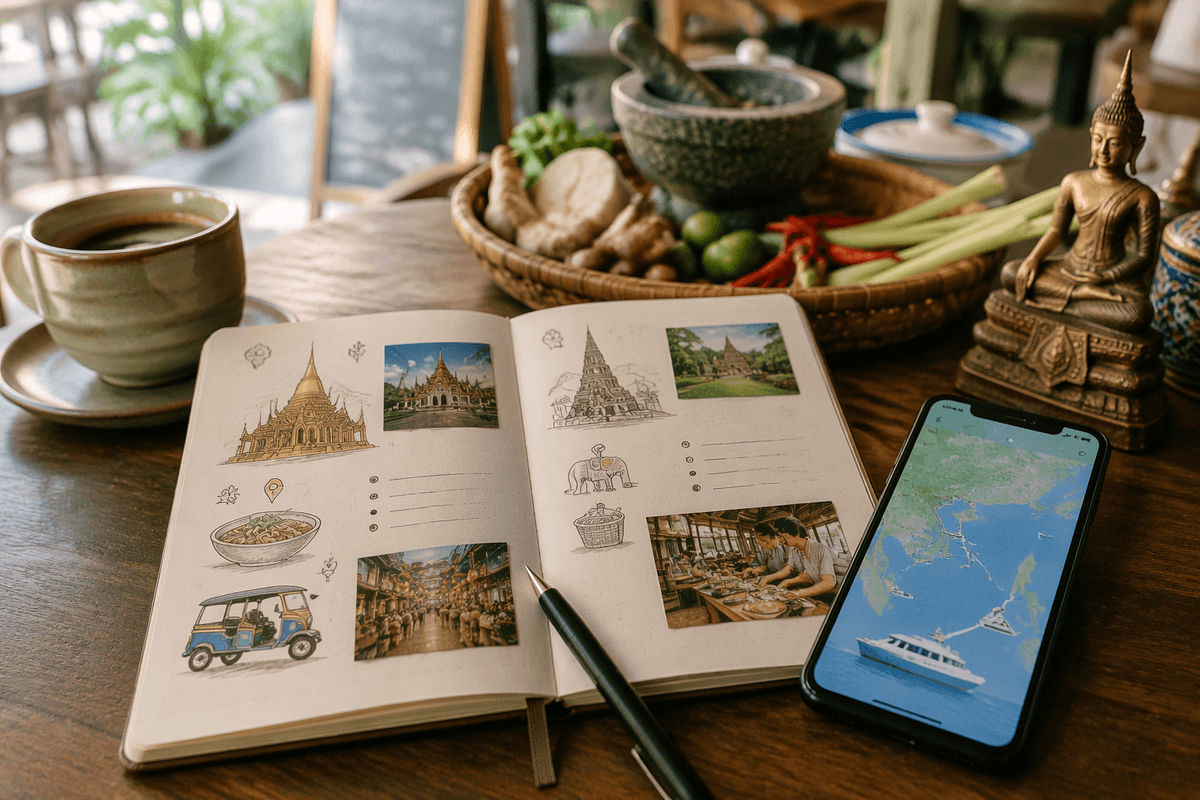
I realized I was still arguing with myself in a 7-Eleven aisle, holding a cold water and staring at a laminated “Island Tour” flyer like it could make the decision for me. The couple next to me were comparing ferry times to Koh Tao; my phone was open to a Chiang Mai cooking class that started at 9 a.m. the next day. Both sounded right, but not in the same week.
Start by choosing your “Thailand vibe,” because it quietly decides your logistics and your tolerance for crowds. If you want culture with easy days, Bangkok + Chiang Mai is the cleanest combo: frequent flights, lots of mid-budget hotels, and you can do mornings well (temples, markets, cafes) without planning your life around tides and boat departures. It works best for solo travelers and couples who like wandering and food, and it’s less fun if your “worth it” metric is swimming every afternoon.
If you’re chasing beach time, pick one island side and commit. Gulf islands (think Koh Tao/Koh Samui/Koh Phangan) tend to feel simpler for a shorter trip because you can settle in and repeat a rhythm; Andaman (Krabi/Phi Phi/Lanta) can be more dramatic but can also lure you into hopscotching. The trade-off is obvious on day three: islands reward staying put, while the north rewards sampling—so choose the one you’ll forgive when weather, sold-out ferries, or travel fatigue tries to steal a day.
Bangkok: the essential starting base
I stepped off the BTS at Saphan Taksin with sweat already building under my backpack straps, watching the Chao Phraya boats slide past like they were running on a different clock. My grab app kept blinking “heavy traffic,” and for a second I wondered if starting in Bangkok was just signing up for noise and inefficiency. Then I realized the river boat was basically a moving shortcut—cheap, frequent, and weirdly calming compared to sitting in a taxi going nowhere.
Bangkok works as a starting base because it lets you absorb jet lag without committing to a long transfer day. A couple of nights gives you a soft landing: street food that’s reliably good even when you’re tired, temples you can hit early (Wat Pho before the tour buses feels like a different place), and transit that’s predictable if you stay near a BTS/MRT line. The “just one more stop” is easy to overdo here; heat and crowd flow turn ambitious day-plans into a slow shuffle by mid-afternoon.
It also solves logistics you’ll otherwise pay for later. You can book onward flights to Chiang Mai or Krabi with more flexibility, lock in ferry combos if you’re island-bound, and grab essentials without tourist-island pricing. Bangkok is best for travelers who like variety and don’t mind urban grit; if you only feel alive near water, treat it as a two-night reset, pick a walkable base, and move on before the city starts to feel like homework.
Islands: choose Gulf or Andaman
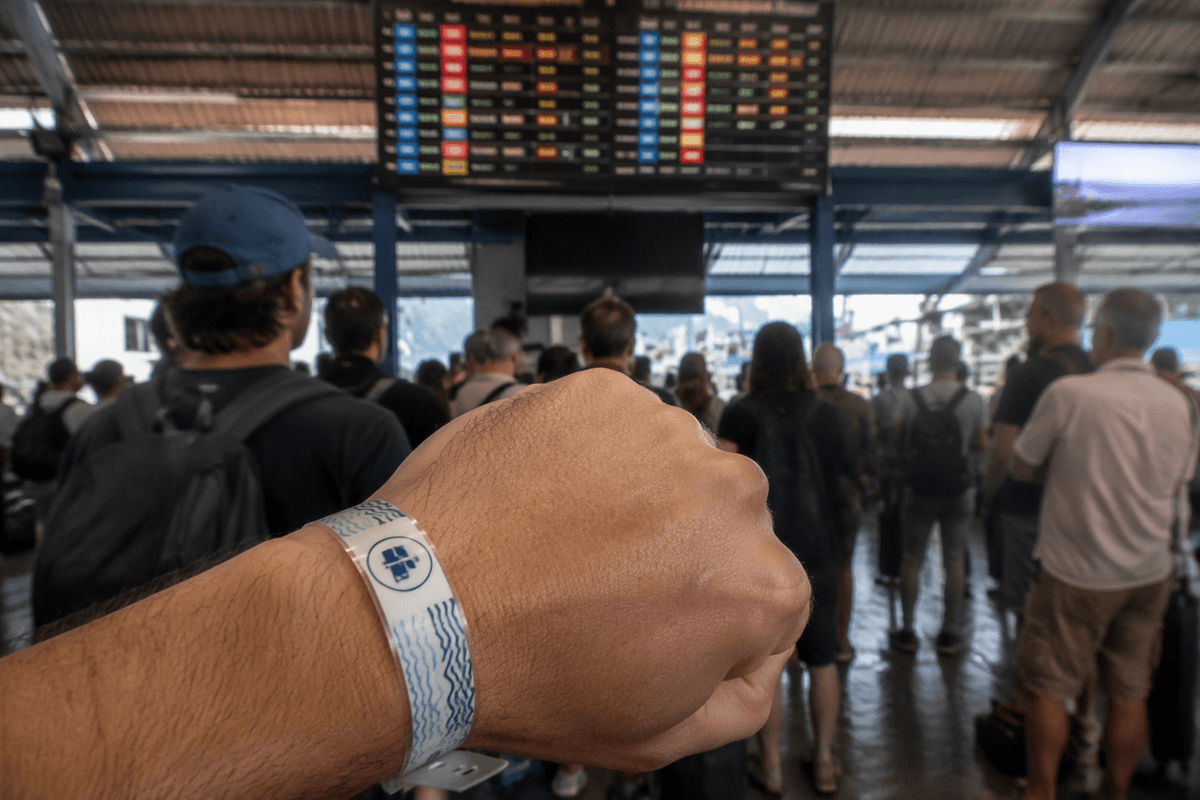
I stared at the ferry board in Surat Thani with a plastic wristband digging into my skin, watching the departure time slide by ten minutes at a time. A guy behind me kept asking if this was the “fast boat,” while my phone showed two different piers for the same island. On a map, Gulf and Andaman look like equal options; on the ground, they feel like different bets on your limited days.
The Gulf (Koh Samui, Koh Phangan, Koh Tao) usually wins for a 10–14 day first trip if you want one clean beach base. You can fly to Samui (pricey but quick) or do the cheaper flight/train-to-ferry combo via Surat Thani—slower, but predictable once you commit. It’s a calmer logistics loop for couples and solo travelers who’d rather repeat a rhythm (swim, eat, nap, snorkel) than chase “one more viewpoint.” It can feel less cinematic than the Andaman.
The Andaman (Krabi, Phi Phi, Koh Lanta) is where the limestone cliffs and turquoise-boat photos come from—and where hopscotching quietly steals time. Krabi is an efficient hub if you like day trips, but Phi Phi punishes late arrivals with crowds and higher prices, and Lanta is better if you’re actively trying to downshift. If you’re already tired from Bangkok or Chiang Mai transit, pick one Andaman base and defend it like a budget line item; your future self will thank you when the weather turns and boats start running on “maybe.”
What I’d choose for first timers
I hesitated at the airline kiosk with my backpack half-open, finger hovering between two fares: a cheap flight north tomorrow morning, or a later one that would cost more but buy me sleep. The screen timer kept counting down, and I could already feel the difference between “arrive ready” and “arrive wrung out.” That moment is basically the whole first-timer problem in Thailand—every “deal” has a hidden time bill.
If you gave me 10–14 days and told me to keep it worth-it without living in transit, I’d do Bangkok (2–3 nights) + Chiang Mai (3–4 nights) + one island base (4–6 nights). It’s not the most exotic-sounding combo, but it’s the cleanest: flights are frequent, you get culture and food upfront, and you end with beach days where the schedule stops yelling at you. It works especially well for solo travelers and couples who want a few big highlights without the constant ferry-clock anxiety.
My personal shortlist would be: Bangkok for the sensory overload (but stay near BTS/MRT so “one temple” doesn’t become a traffic saga), Chiang Mai as the mellow culture anchor, and then either Koh Tao (if you’ll actually snorkel/dive) or Koh Lanta (if you’re trying to escape the party gravity). I’d skip Pai unless you have extra days and a strong stomach, and I’d treat Phi Phi as a day trip unless nightlife is the point. If you’re still torn, choose the version where you can repeat one good day twice—Thailand rewards that more than it rewards collecting pins.