Hydration isn’t one-size-fits-all in real life
The first hint is usually practical: you finish a sweaty commute or a hard workout, drink a big bottle of water, and still feel oddly “unfinished.” Not exactly thirsty, but a little flat—maybe a mild headache, a dry mouth that doesn’t quite clear, or legs that feel heavier than they should. It can be tempting to treat that as a simple problem of needing even more water.
In some situations, though, the issue isn’t just fluid. Heavy sweating (or a day of stomach upset) can pull water and electrolytes out together, and replacing only water may dilute what’s left. That can leave your body holding onto the sensation of being under-recovered even when you’ve technically “drunk enough.”
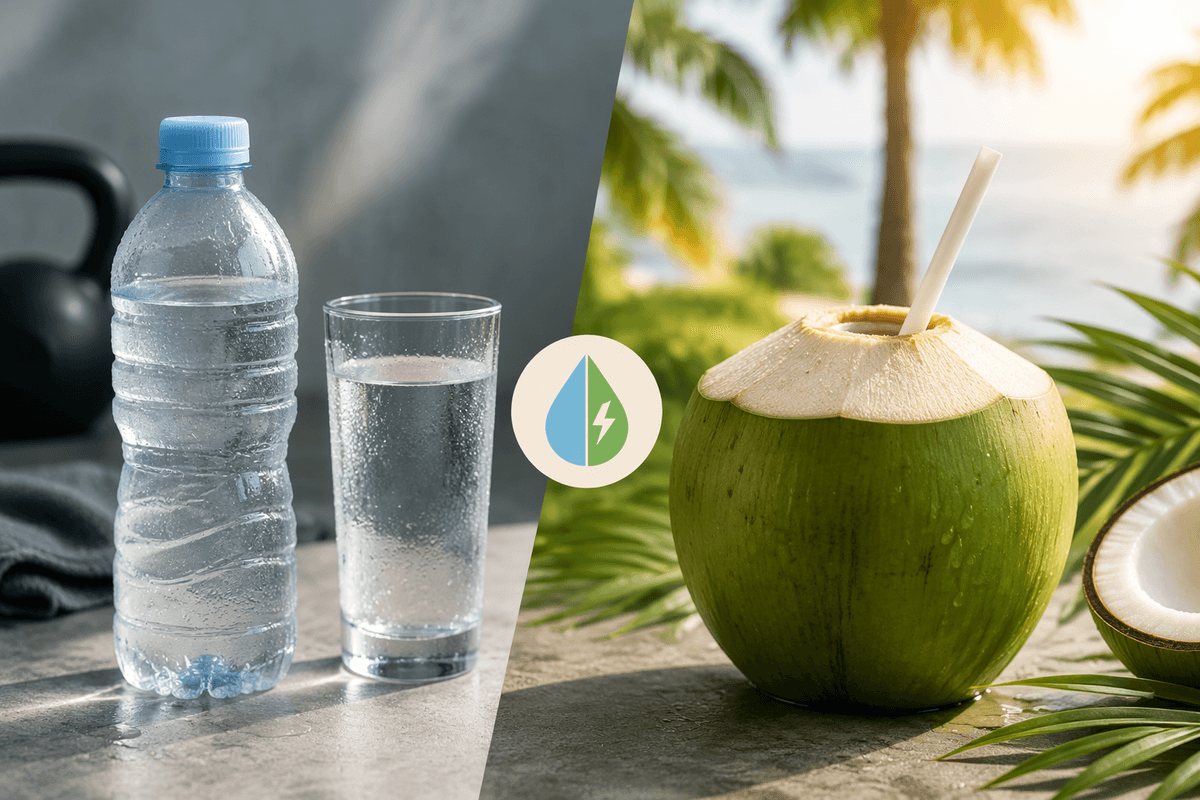
This is where coconut water often enters the conversation. It can feel like a smarter fix because it adds some electrolytes along with fluid, but it isn’t a perfect match for every sweaty day—especially if the bigger gap is sodium. And if you start relying on it automatically, the extra sugar and calories can quietly add up without solving the specific problem you’re trying to fix.
What coconut water adds beyond plain water
You notice it most when you take a few steady sips of coconut water and, within minutes, your mouth feels less “sticky” in a way plain water didn’t fix. That’s not magic—it’s usually the small mix of electrolytes changing how the fluid sits in your gut and moves into circulation, especially if you’ve been sweating steadily or you’ve had a day where you just couldn’t eat much.
Coconut water’s standout is potassium, with smaller amounts of magnesium and calcium. That can be useful when the “flat” feeling comes with muscle heaviness or lingering thirst after you’ve already had plenty of water. But it’s also where people misread the signal: most sweat losses are relatively sodium-heavy, and coconut water typically doesn’t replace much sodium on its own.
So it can help when you need “water plus something,” but it may fall short when the main missing piece is salt—while still adding a noticeable dose of sugar and calories if it becomes your default bottle.
Sweat-heavy workouts where electrolytes start to matter
It usually shows up halfway through the second hard interval, when your shirt is already soaked and the water you’re sipping starts to taste weirdly “thin.” You might finish the session, drink a lot, and still feel wrung out—light headache, a slightly unsettled stomach, or a thirst that keeps restarting even though your bottle is empty.
In sweat-heavy workouts, the mismatch is often that you’re losing salt along with fluid. If you replace mostly water, the drop in sodium can make the whole system feel sluggish: fluid may sit in your gut, bathroom trips can ramp up, and your body may not feel like it’s holding onto what you’re drinking. That’s one reason “more than water” sometimes feels like it finally clicks after long runs, hot spin classes, or back-to-back hours outside.
Coconut water can help with the “water plus something” gap, but its strength is potassium, not sodium. So it may take the edge off without fully matching what you actually sweated out—especially if you’re craving salty foods afterward or the flat feeling keeps returning.
Hot weather, travel, and low appetite dehydration patterns

It’s often not the workout that gets you—it’s the day around it. A hot afternoon of errands, a delayed train, airport air that feels dry, then a dinner you barely touch because you’re overheated or off-schedule. You keep drinking water, but your thirst feels oddly “unsatisfied,” and your head can feel tight in a way that doesn’t match how much you’ve poured in.
In those patterns, hydration gets messy because fluid and minerals aren’t leaving your body in neat ratios. Heat and constant low-level sweating can quietly drain salt over hours, while travel and low appetite mean you’re not replacing much through food. Plain water can end up feeling like it’s running through you—more bathroom trips, less “settling”—because your body may be missing the sodium signal that helps hold onto fluid.
Coconut water can be a decent bridge when you need gentle fluid plus potassium, especially if your stomach feels touchy. But if the main gap is salt from long heat exposure, it may not fully land, even as the sweetness starts to feel like “extra” when you’re already not eating much.
When plain water works better for consistency and control
Sometimes the clearest sign is how quickly the “helpful drink” turns into a habit. You grab coconut water after a normal gym session, or keep one in the car “just in case,” and the sweetness starts to feel like part of the routine—even on days when you weren’t drenched, didn’t cramp, and ate a regular lunch.
That’s where plain water can work better: it’s predictable. If your sweat loss was modest, and you’re getting salt and carbs from food anyway, adding a flavored, slightly sugary drink can muddy the signal. You may end up chasing a specific “rehydrated” feeling that isn’t actually about electrolytes anymore, just taste and expectation.
Water also gives you cleaner control when you’re trying to notice patterns—like whether the lingering headache shows up only after long heat exposure, or whether you simply needed more total fluid over the day. In those in-between situations, keeping the default simple can make it easier to tell when you truly need “more than water,” versus when you just needed time and consistency.
A reasonable switch that sometimes backfires
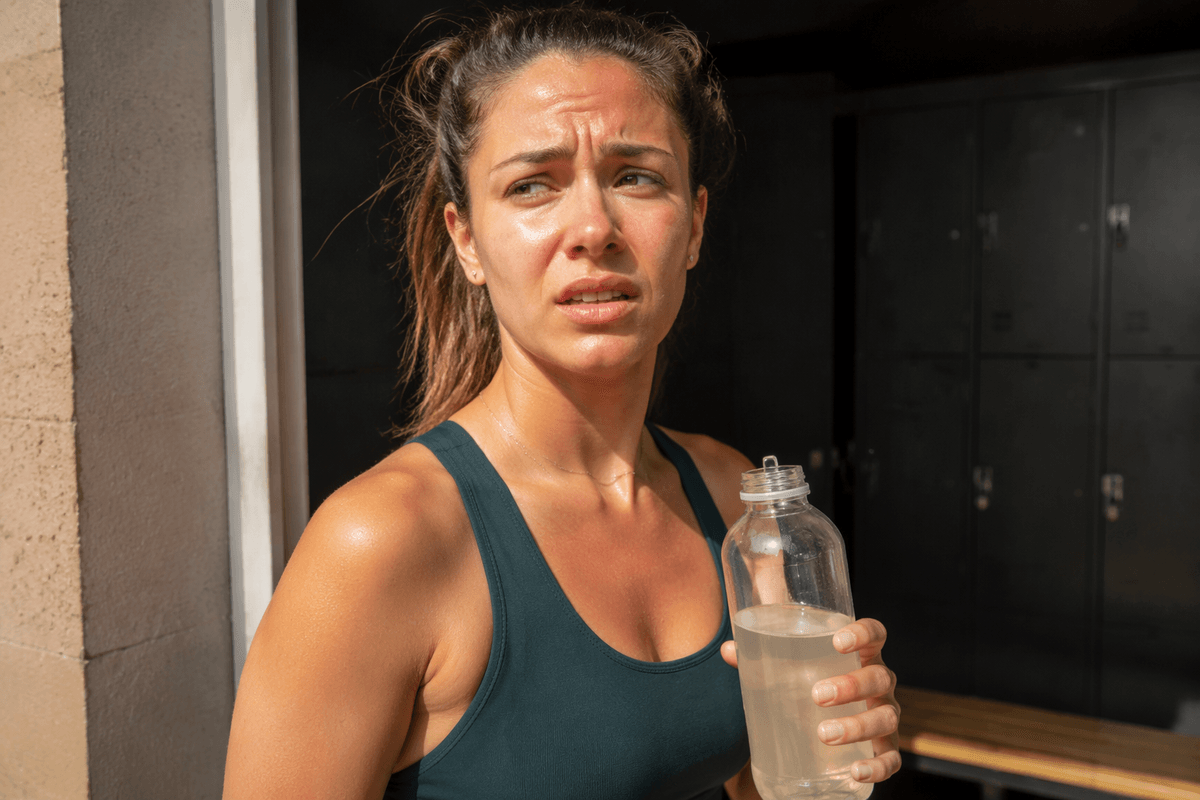
It can seem like an easy upgrade: swap your usual post-workout water for coconut water and assume you’ve covered the electrolyte problem. For a few days it may even feel smoother—less of that hollow thirst, a little more “settled” in your stomach. Then you notice the backfire: you’re drinking the same volume, but the sticky mouth or tight head still shows up, and the drink starts to feel oddly sweet when you’re already a bit overheated.
Part of the mismatch is that coconut water’s electrolytes aren’t shaped like sweat loss. It brings more potassium than sodium, and after a truly salty day—long hours outside, repeated soaked-shirt sessions—you may be replacing the wrong piece. The body can keep acting like it needs a sodium “hold onto this fluid” signal, so you end up with more bathroom trips and less relief, even while calories and sugar quietly creep upward.
That’s when people misread the situation as needing even more coconut water, rather than a different approach. If the pattern continues, the more useful clue is what keeps repeating—lingering thirst after lots of water, a strong pull toward salty food, or a stomach that feels full but not rehydrated.
Making sense of ‘better’ without overinterpreting signals
The confusing part is how fast “better” can turn into “always.” One day coconut water feels like it fixes everything, and the next you’re scanning your body for proof—less dry mouth, fewer cramps, a calmer stomach—when the day’s sweat loss wasn’t even that dramatic. The signal gets noisy because taste, sweetness, and expectation can feel like recovery.
When it truly helps, the pattern is usually consistent: long, sweaty sessions, multiple hours in heat, or that lingering thirst and light headache that hang on even after plenty of plain water. In those situations, the issue may be the mix—water plus electrolytes—rather than volume alone.
But coconut water’s “something” is mostly potassium, and sweat losses tend to be more sodium-tilted. If you keep needing more and more to feel normal, it may not mean you’re behind on fluids—it may mean you’re replacing the wrong piece, or reading a temporary comfort cue as a universal upgrade.