Crowds aren’t inevitable, but your timing is
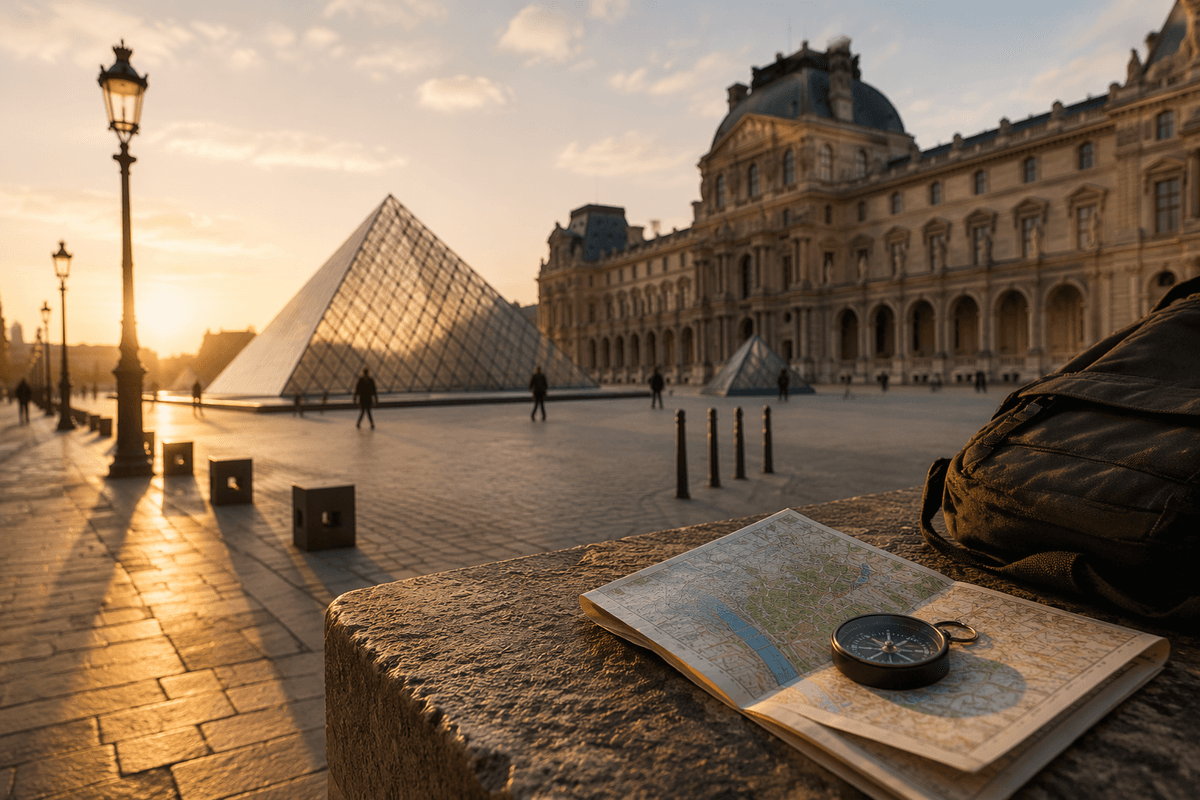
At 9:12 a.m., we paused under a museum awning, phones out, watching the timed-entry queue curl past the “10:00” sign like it was already lunchtime. The map said we were “early,” but the reality was a steady stream of tour groups arriving in waves, not minutes. Standing there, you can feel the difference between being on-site and being ahead of the crowd.
Crowds aren’t some constant you pay your way out of; they’re a schedule problem. The pinch points are predictable: mid-morning arrivals, the noon slump when everyone pivots to “one more landmark,” and the late afternoon photo rush when light improves but patience disappears. A 9:00 entry can feel like a private viewing compared to 11:00, even if the ticket cost is identical. The trade-off is obvious: earlier alarms buy space, while leisurely starts buy comfort but cost you time in line and in rooms.
For a 4-day first trip, aim to “spend” your energy on two early anchors, then go flexible after lunch when congestion becomes less controllable. Timed tickets help most when they lock in a quiet entry window; they help least when they just move you into a faster crowd. If you’re not morning people, don’t force sunrise every day—pick one or two iconic stops where emptier halls actually improve photos, then schedule the rest for evenings or less-famous alternatives nearby.
Pick the right day before the time
On Tuesday at 8:47 a.m., I stared at the calendar view in Google Maps, thumb hovering between “Sat” and “Wed,” like it was a minor choice. Then I remembered the plaza we’d crossed the day before: the same square, same light, but a completely different density just from the day’s tour-bus rhythm. It’s annoying, because you can’t “arrive earlier” than a weekend.
If you’re only in town for four days, day selection is your first crowd filter. Weekends usually spike not just at the headline sights, but on the sidewalks between them—photo stops turn into bottlenecks, and your “quick walk” becomes a slow shuffle. Mondays can be deceptively bad too if other museums close and everyone funnels into the few that are open; Fridays can feel like a half-weekend once locals clock out. Midweek (Tue–Thu) tends to give you the cleanest version of the icons for the same ticket price, especially for indoor attractions where tours stack.
Watch for quiet-looking traps: free-entry days, monthly late openings, school holidays, and big event weekends can make a random Wednesday behave like Saturday. If your trip must include a weekend, put your “big two” on the weekday mornings and use the weekend for viewpoints, parks, neighborhoods, and anything you can abandon quickly when it gets shoulder-to-shoulder. Pick your days first, then your times start making sense.
Choose entry times that actually work
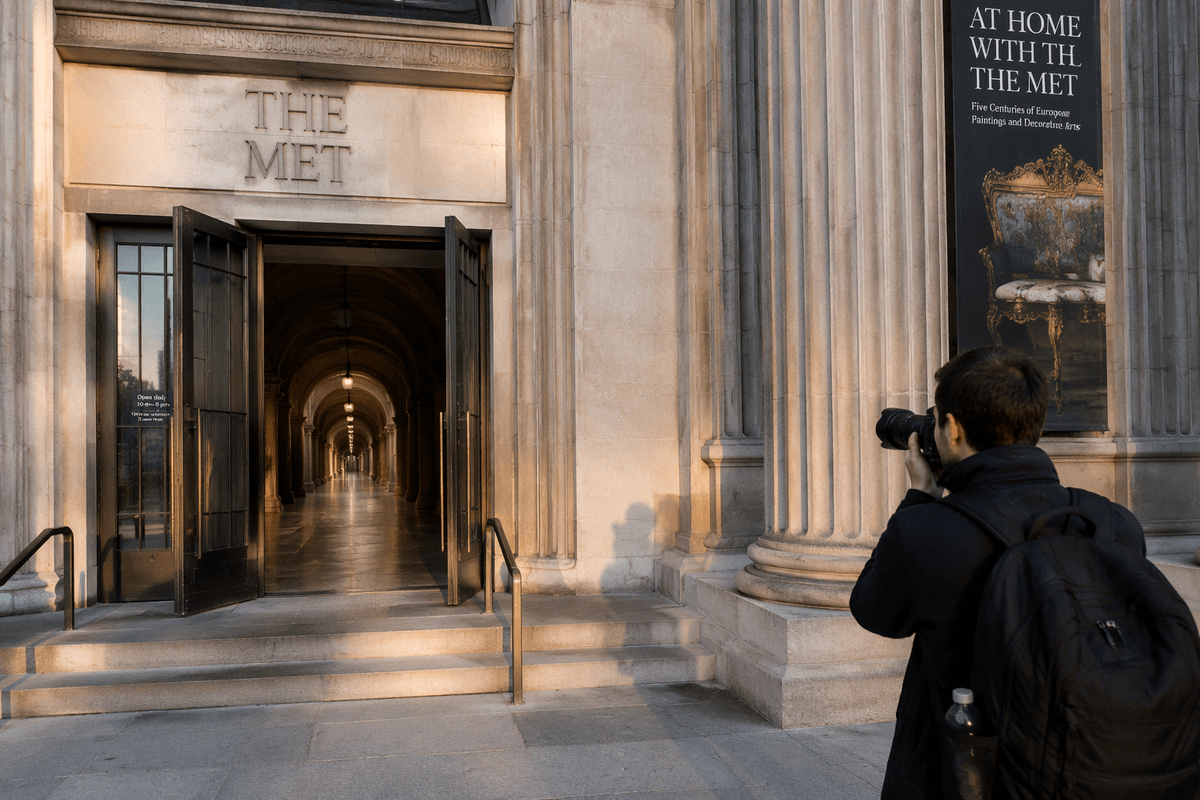
At 11:36 p.m., I had three tabs open and the same attraction in two different ticketing systems, each offering a “10:30” slot that wasn’t quite the same thing. One promised “priority,” the other just promised “entry,” and the fine print quietly said you still queue for security. That’s when it clicked: the time you book matters more than the label you pay for.
For most icons, the entry windows that actually work are the first wave (right at opening) and the last wave (90–120 minutes before final entry), with mid-morning being the crowded “everyone arrived” band. Early slots buy you emptier rooms and cleaner photos, but they punish slow mornings and long commutes; late slots are kinder on sleep and light, yet you’re gambling on delays and shortened time inside. If you’re a mid-budget couple trying to hit two big sights in a day, book one anchor early and keep the second one late—back-to-back “prime” times sounds efficient, but it usually creates a sprint between queues.
Timed-entry is only a win if it reduces uncertainty. Pick a slot you can reach with a 20–30 minute buffer (bathroom, coffee, wrong metro exit), and avoid “tight connections” like booking 10:00 across town after a 9:00 tower visit. Skip-the-line add-ons are worth it when they bypass the main ticket queue, not when they just funnel you into the same security choke point; if the bottleneck is screening, your best upgrade is simply arriving before the wave.
Use access tricks without paying more
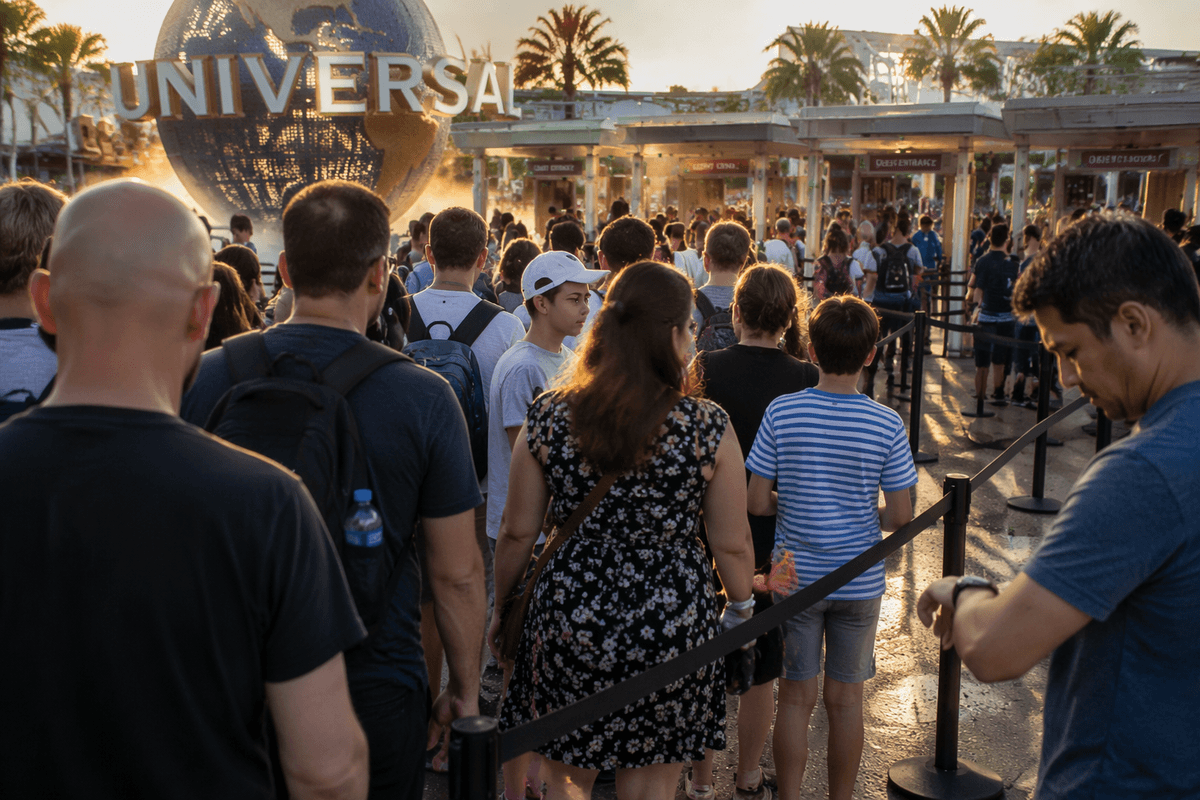
At 7:22 p.m., I was staring at two lines on the attraction’s page: “Tickets available at the door” and, in smaller text, “Last entry reservations recommended.” I almost closed the tab because it sounded like an upsell. It wasn’t—booking the free slot was the difference between walking in and standing behind a tour group unloading like a zipper.
The best “access trick” that doesn’t cost more is separating ticket from time. If the official site lets you reserve an entry window at no extra charge, do it even if you’re paying the same price as on-site—uncertainty is what turns a 20-minute visit into a 70-minute one. Look for alternate entrances (members, pre-booked, group) that regular tickets can use; sometimes you’re not buying priority, you’re just choosing the calmer doorway. The limitation: security is still security, so skip-the-line claims don’t matter if everyone gets funneled into the same bag scan.
Small behavior tweaks matter more than they should. Go bag-light (or not at all) to avoid slow lanes, and don’t arrive exactly on the dot—10–15 minutes early often beats “right on time” because crowd pulses hit at round numbers. This works best for couples who can move quickly and pivot; if you like slow breakfasts, trade the earliest slot for the last wave and accept fewer rooms inside, but better light and less shoulder-to-shoulder stress.
My default plan for first-timers
At 6:58 a.m., we stood by the hotel kettle doing the unromantic math: two coffees now, or ten minutes more sleep and a longer security line later. My phone showed a 22‑minute metro ride, but the station had three exits and only one put us on the “right” side of the river. That small hesitation is why I like a default plan—less heroic, more repeatable.
For a four-day first trip, I’d run a simple cadence: one big indoor icon at opening on Day 1, a viewpoint or “outside-first” landmark late on Day 2, then repeat with a second museum/monument on Day 3 and keep Day 4 deliberately loose for weather and fatigue. The trade-off is that you’ll start early only twice, not every day, but those two mornings are where photos improve the most and rooms feel navigable instead of compressed. If you try to stack two “prime” tickets back-to-back, you’ll spend the middle of the day commuting and apologizing to the clock.
Ticketing-wise, I’d buy official timed entry whenever it exists and only pay extra if it clearly bypasses the ticket queue (not just marketing language around the same bag scan). Route it like a chain, not a star: finish each anchor in a nearby neighborhood so you can bail into a café, a small church/gallery, or a riverside walk when crowd flow turns sticky. If you’re unsure between an early slot and a late one, pick the one you can reach calmly—your best “skip” is arriving without a sprint.