The real Dili challenge isn’t distance
On paper, Dili looks compact, but getting around isn't always as simple as the map suggests. A short trip can easily take longer if you're trying to figure out the right microlet or waiting for one to fill up.
Microlets are inexpensive and useful once you know the routes, while taxis save time and effort, especially in the midday heat or when you're carrying luggage. The extra cost is often worth it for airport transfers or time-sensitive plans.
For most visitors, walking works well within the same neighborhood, particularly in the early morning or late afternoon. For longer distances or the hottest part of the day, mixing taxis with local transport is usually the most practical balance between cost and convenience.
Your baseline: walkability, heat, and timing
At 12:15 p.m. on Avenida de Portugal, I tried to “just walk” a 15-minute hop along the waterfront and ended up ducking into the shade of a kiosk, sweating through my shirt while traffic funneled around a half-closed lane. The distance was trivial; the combination of glare, fumes, and few safe crossings made it feel longer than a microlet ride that would’ve looked slower on paper. It was the first time I noticed how quickly Dili turns a neat plan into a timing problem.
For a five-day base, your baseline is simple: walk early and late, ride at midday, and assume every short transfer has a heat tax. If you’re staying near the waterfront/Embassy strip, you can string together cafés, the memorial areas, and errands on foot—especially before 9:00 a.m. or after 4:30 p.m.—but it stops working when you’re inland near Taibesi markets or hauling groceries. The trade-off isn’t just comfort; it’s attention and safety. Crossing wider roads solo, in bright sun, with drivers moving fast, costs mental energy you may prefer to spend on bargaining for a ride.
Timing-wise, leave buffer for anything “informal.” Microlets can be frequent until they aren’t, and taxis feel instant until you hit a negotiation lull. If your day includes Cristo Rei steps or a Liquiçá run, protect the departure window with a pre-agreed ride, then spend your flexibility budget on local hops.
Shoestring moves: microlets and shared rides

At 1:05 p.m., I hovered at a dusty corner by Taibesi, watching a microlet creep forward in stop-and-go bursts while a teenager called out a destination I couldn’t quite catch. Two seats were open, but nobody moved like there was a “line,” and I hesitated with my small notes ready, trying to copy what locals did without making it a whole performance. The microlets are cheap and surprisingly social, but the first ride costs you a bit of confidence and a bit of time.
On a shoestring, microlets work best for short, flexible hops—market to waterfront, guesthouse to a meal—when you can afford a wrong turn and you’re not racing the clock. Routes aren’t posted in a way a visitor can trust, so your limitation is information, not distance: ask your guesthouse for the color/number and the exact landmark where you flag it, then confirm with the driver before you climb in. Pay with small bills and don’t expect a fixed “schedule”; if the van is half-full, “soon” can mean waiting in the heat, which is fine at 8 a.m. and miserable at 2 p.m.
Shared rides (or “can you take me too?” arrangements) are the middle ground when a taxi feels overpriced but walking feels like punishment. They’re great for solo travelers heading to the same obvious places—Cristo Rei access road, a popular beach stretch—yet they’re shaky for airport runs or anything with a hard start time. If you’re using them, agree on the price and the drop-off point before the door closes, and keep one rule: save your bargaining energy for the rides that protect your day.
Mid-range comfort: taxis and ride-hailing
At 6:10 p.m. outside Timor Plaza, I watched two taxis roll past with their lights on and still felt weirdly “off-schedule.” My phone had a pin, but no app to summon anyone; I ended up stepping to the curb and asking the closest driver the price before I even said where I was staying. It was a small hesitation, but it set the tone: mid-range comfort here is less about technology and more about making the negotiation quick.
For short hops around central Dili, taxis are the clean trade: you buy shade, speed, and fewer wrong turns, and you pay in cash plus a little social effort. If you’re solo and carrying anything (groceries, a daypack, wet snorkel gear), that effort is often worth it compared with a microlet that might detour or wait to fill. The meters aren’t something I’d plan around—so treat every ride like a fixed-price deal and settle it before the door closes, ideally while you’re still standing outside and can politely walk away.
Ride-hailing, if you’re coming from Southeast Asian capitals, can feel like a mirage: you can’t count on tapping a button at rush-ish times or in the rain and having a car appear. That’s why I’d “spend” taxis on the transfers that protect your clock—airport arrivals, early starts to Cristo Rei, a timed meet-up for Liquiçá—then lean microlet/walking when you’ve got slack. If a driver offers to wait or do a half-day, that can be a bargain versus stitching together multiple rides, but only if you’re okay trading freedom for one person’s timetable.
Maximum freedom: scooters, car hire, drivers
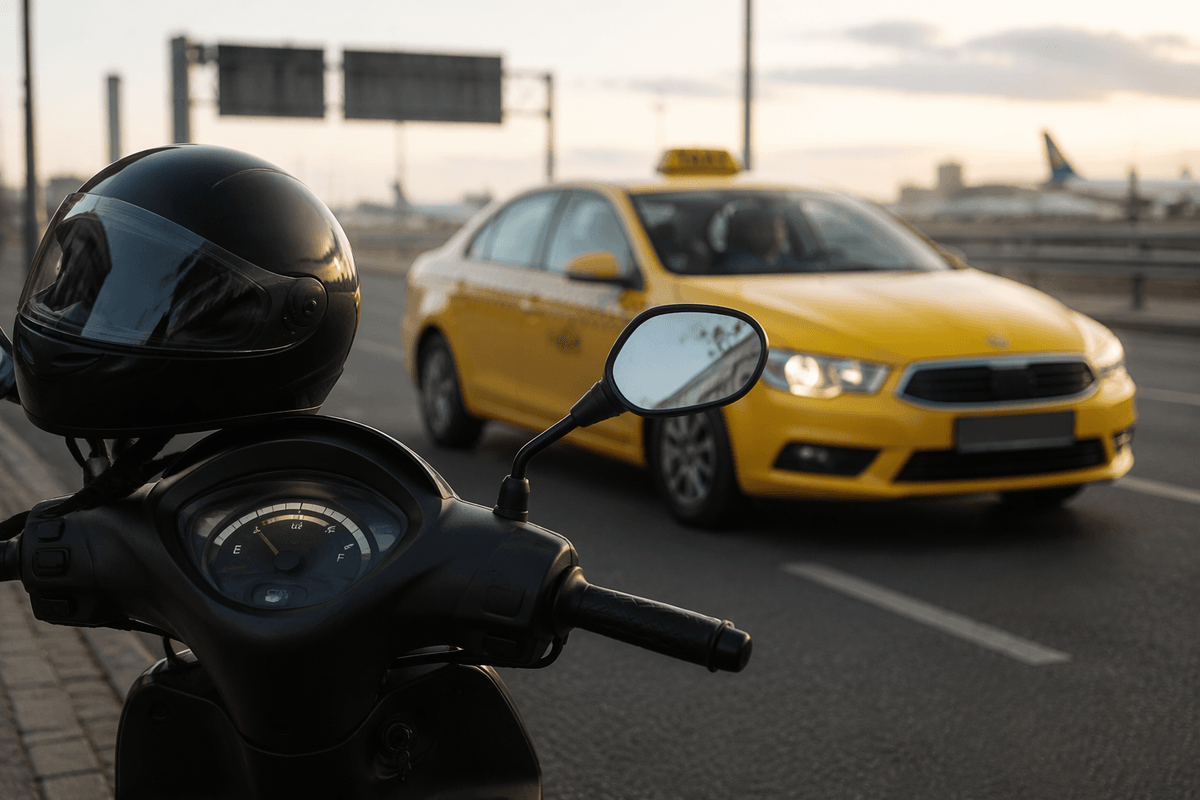
At 7:25 a.m., I stood at a scooter rental counter squinting at a photocopied “agreement,” trying to decide whether a scratched helmet and a half-full tank were worth the freedom. The staffer pointed at my passport and then at a row of bikes that looked fine until you noticed the bald rear tires. I’d planned to be moving already, but the friction was the point: in Dili, maximum freedom usually starts with paperwork, cash deposits, and a quick gut-check.
Scooters are the fastest way to turn Dili’s “short distances” into genuinely short times, especially for sunrise Cristo Rei runs or hopping between inland errands and the waterfront without negotiating every leg. The trade-off is exposure: heat, sudden rain, uneven surfaces, and drivers who don’t always telegraph lane changes. If you’re not fully comfortable riding in mixed traffic, the limitation isn’t skill—it’s fatigue; one tense hour can wipe out the time you “saved.” I’d only rent if you can get a solid helmet, test the brakes, and you’re fine leaving your passport behind or negotiating an alternative deposit.
For Liquiçá, Aileu, or an airport transfer that can’t slip, a car with a driver is usually the cleanest buy: you pay more than piecing together microlets and taxis, but you stop bleeding minutes to negotiation and wrong turns. Hiring a self-drive car can look like the ultimate freedom, yet parking, unclear road etiquette, and liability questions can make it feel heavier than expected. My default: scooter for confident riders on flexible days, driver for day trips and flights, and skip self-drive unless you actually enjoy the responsibility.
What I’d do for one day in Dili
At 7:10 a.m., I’d be at the waterfront with a coffee sweating in my hand, watching the light hit the bay and deciding whether my legs or my budget was in charge today. If I’m staying central, I’d walk the first loop while it’s still tolerable—errands, a market pass, a quick look at the government strip—because a “cheap” microlet at this hour can still cost you 20 minutes of figuring out where to stand. By 9:00 a.m., I’d pick one anchor plan (Cristo Rei or the museum/market combo), not both, because midday heat makes double-booking feel like a mistake.
For Cristo Rei, I’d buy reliability: a taxi there early, agree the price before getting in, and decide up front whether I want the driver to wait (more money, less friction) or to gamble on finding a ride back (cheaper, but you might be negotiating in full sun). If it’s a flexible day and I’m curious, I’d microlet back toward town once I’m done—better when I’m not time-boxed, worse when I’m hungry and impatient. Lunch would be a shaded sit-down, not a “grab-and-go,” because the fatigue tax is real after late morning walking.
Late afternoon, I’d switch back to walking for short distances and spend one last taxi ride to avoid a sweaty, traffic-heavy crossing at dusk. If I felt even slightly unsure about tomorrow’s timing—Liquiçá, Aileu, or an airport run—I’d use the evening to lock in a driver and a departure time, then stop tinkering with the plan.